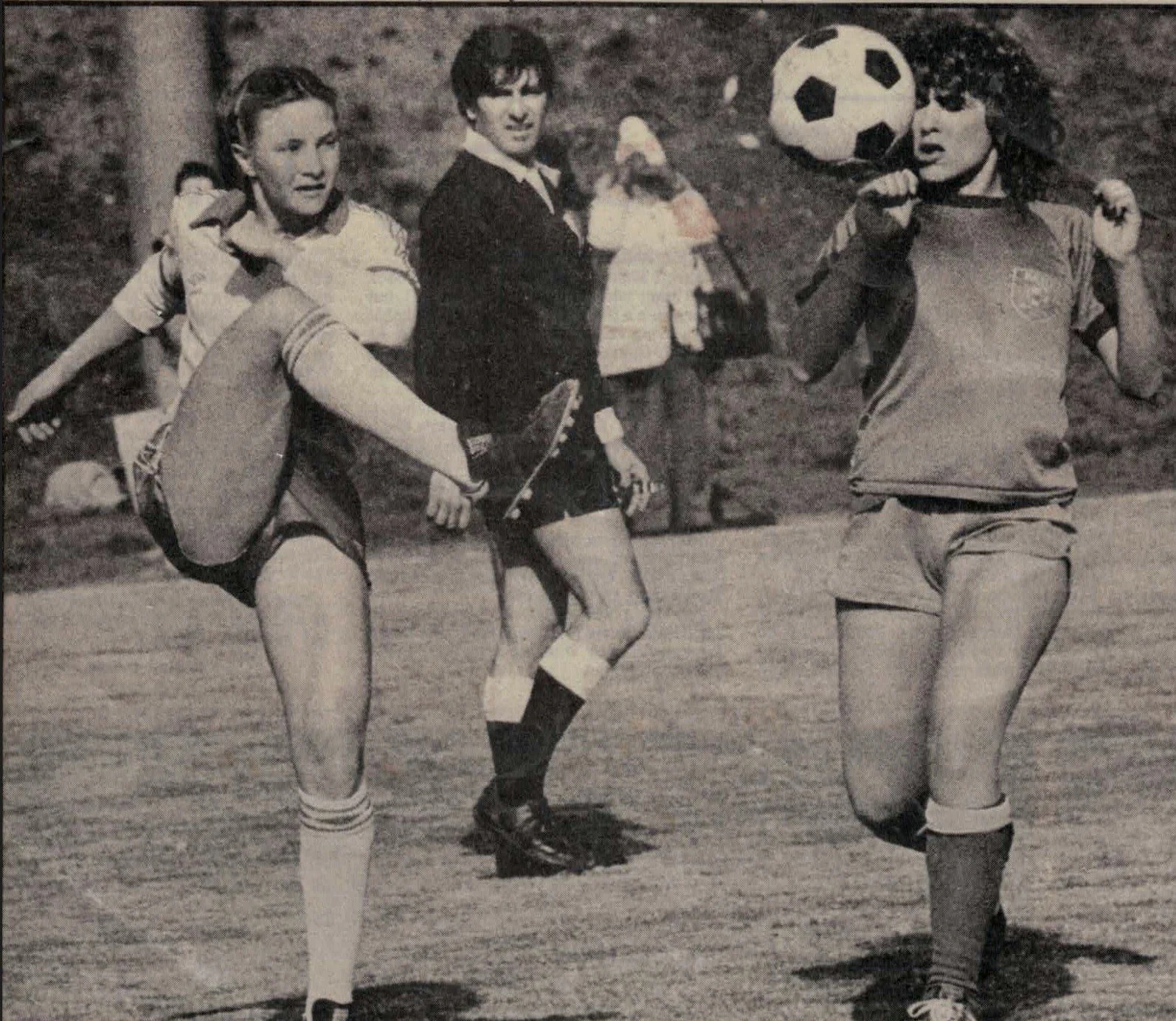
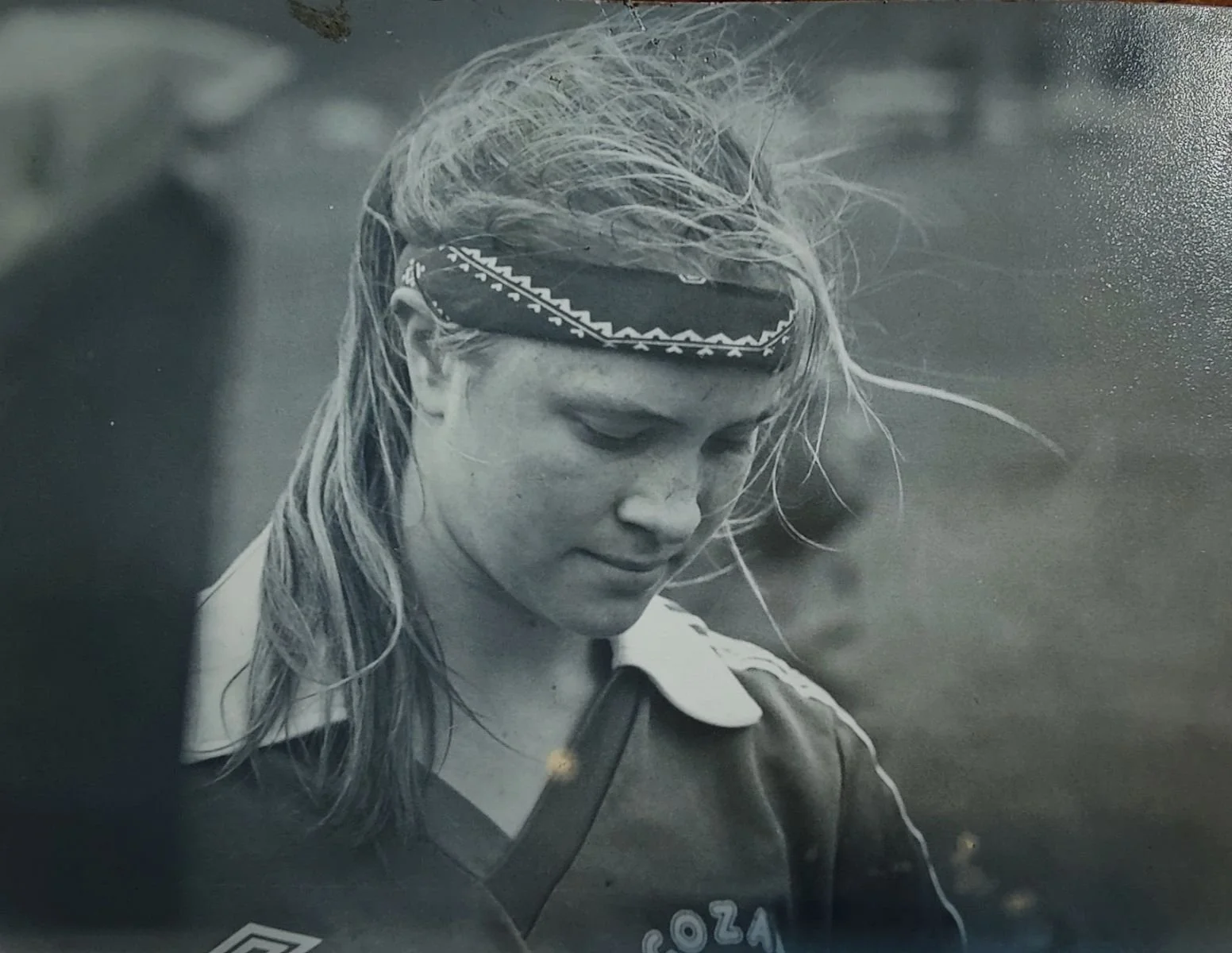
MEET THE 85ers
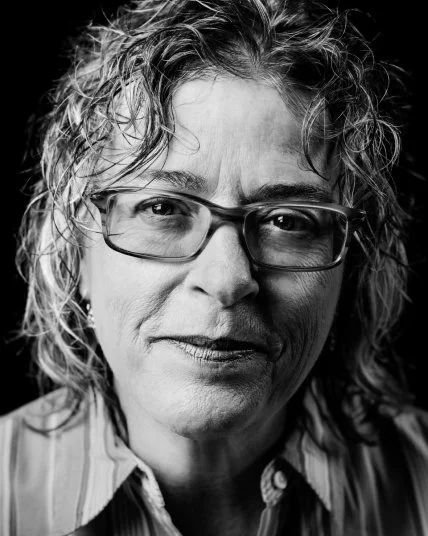
RUTH KAY HARKER

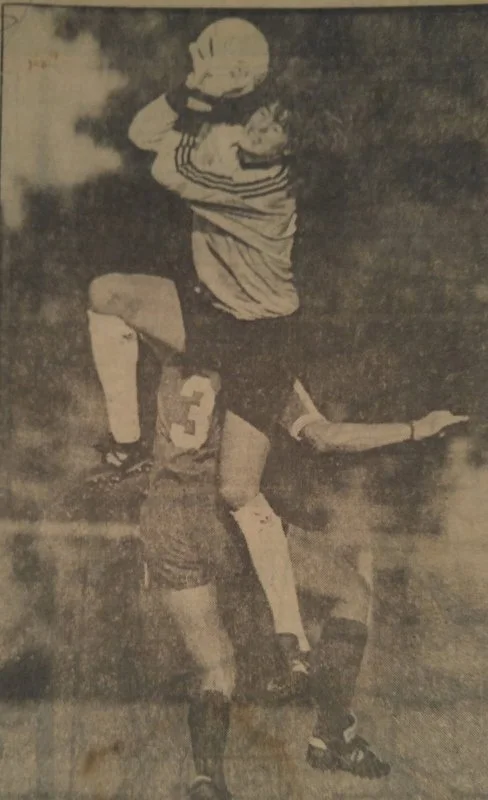
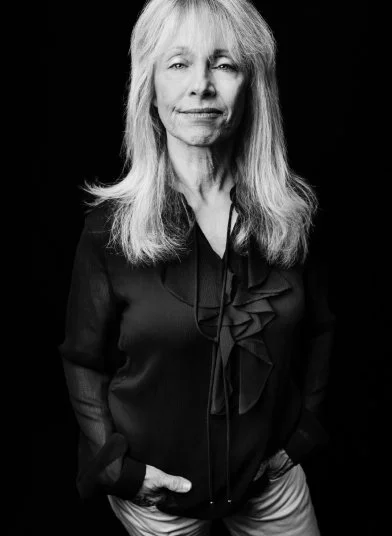
Ruth Kay Harker (born June 28, 1963, in St. Louis, Missouri) is best known as one of the original goalkeepers on the first U.S. Women’s National Soccer Team, which competed in the 1985 Mundialito tournament in Italy. Her selection marked a historic moment in American soccer, as she helped pave the way for the success of future U.S. women’s teams on the world stage.
Harker’s journey to the national team was far from typical. She didn’t begin playing soccer until the age of 14, but quickly excelled thanks to her athleticism, grit, and competitive spirit. Remarkably, she achieved this while being blind in her left eye—a fact that only underscored her tenacity and focus. She found her calling as a goalkeeper and soon developed into one of the most reliable and respected players in the region.
At the University of Missouri–St. Louis (UMSL), Harker anchored the women’s soccer team from 1982 to 1985. During her four-year collegiate career, she earned four All-Region selections and still ranks among the program’s all-time leaders in shutouts (38), goals-against average (0.75), and saves (255). She set single-season records for shutouts (12 in 1982, 11 in 1985) and served as team captain and MVP in her senior year.
Her international debut came on August 21, 1985, against Denmark at the Mundialito tournament, where she earned three caps for the United States. Though the original team was assembled for a short run, Harker and her teammates are now recognized as trailblazers who helped ignite the women’s soccer movement in America. As Harker has said, that team “turned the lights on” for the future of the sport.
Following her playing career, Harker transitioned into coaching, mentoring young goalkeepers and youth players throughout the St. Louis area. She was inducted into the St. Louis Soccer Hall of Fame in 2019 and the UMSL Sports Hall of Fame in 2020, honoring her contributions both on and off the field.
Off the pitch, Harker built a successful professional career in technical support leadership and remains deeply involved in community outreach. Her life embodies perseverance, leadership, and the pioneering spirit of women’s soccer in the United States.
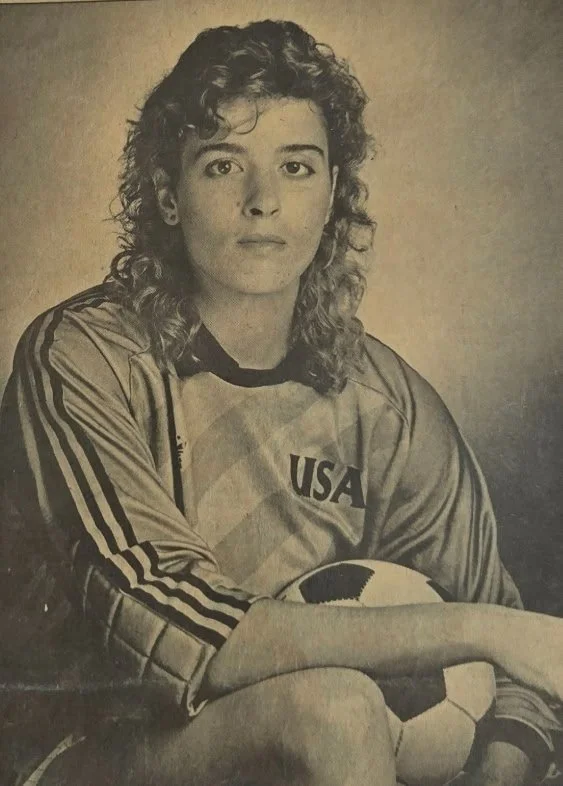
LINDA GANCITANO
Linda R. Gancitano, born January 24, 1962, in Coral Springs, Florida, was among the pioneers who helped launch the U.S. Women’s National Team in 1985. Her soccer journey began with a groundbreaking moment—becoming the first female player on her high school’s boys’ soccer team at Coral Springs High.
At the University of Central Florida, Linda quickly became known for her defensive leadership and resilience, earning Defensive MVP honors at the inaugural 1982 NCAA Women’s Championship. Her performances at UCF earned her selection to the very first U.S. Women’s National Team roster.
In 1985, she earned two caps during the team’s debut at the Mundialito Tournament in Italy—marking the start of the U.S. women’s international soccer legacy. Though her national-team career was cut short by injury, her impact was lasting: she helped establish the foundation for the program that would later dominate the world stage.
After soccer, Linda dedicated her career to education and sustainability in South Florida. As a teacher and coach at Driftwood Middle School, she launched the “Green Team,” a student-led initiative promoting energy reduction and environmental awareness. Her work earned national attention, including recognition by the White House as a Champion of Change for Climate Education and Literacy.
Linda Gancitano’s legacy embodies courage, innovation, and service—qualities that have shaped not only women’s soccer but also the communities she continues to inspire.
DENISE BOYER-MERDICH

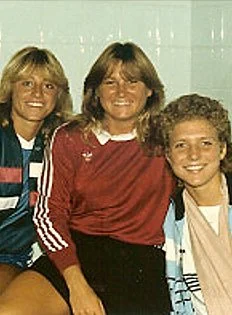
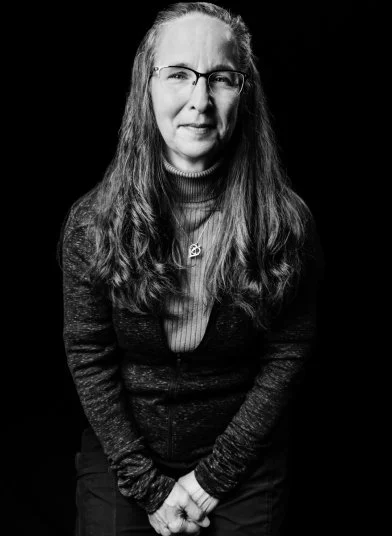
Denise Boyer-Merdich is a true pioneer of American women’s soccer—a member of the inaugural United States Women’s National Team and a player whose journey reflects the earliest, most formative years of the sport in the U.S.
Born on June 8, 1962, in San Diego County, California, Denise relocated with her family to the Tacoma, Washington area at age twelve. It was there that she was first encouraged to try soccer—a sport she had never played before—after a local coach noticed her athletic potential.
What began as an introduction through community youth leagues quickly evolved into a rapid rise through competitive play. She joined the respected Tacoma Cozars club, becoming one of the region’s standout young attackers.
Denise continued her playing career at the University of Puget Sound, competing for the Loggers while earning her Bachelor of Arts in Elementary Education, graduating in 1984. Despite limited resources within early collegiate women’s soccer, she distinguished herself with her speed, discipline, and ability to stretch defenses from the wing.
In 1985, her talent earned her a place in history when she was selected for the first United States Women’s National Team roster. She made her international debut on August 18, 1985, in the very first match ever played by the USWNT, against Italy. Over the next two years, she earned seven caps and scored one international goal—netted on July 7, 1987, in a 4–2 victory over Canada.
Her final national team appearance came just days later, on July 11, 1987, in a friendly against Norway. As the national program began to evolve and younger players emerged, Denise made the selfless decision to step aside, telling then-coach Anson Dorrance to give her roster spot to the next generation—a reflection of her humility and team-first character. Following her national team career, Denise continued to give back to the sport at the grassroots level. She volunteered as a youth and club coach, notably contributing to Washington Premier, where she helped guide a struggling girls’ team from heavy early defeats to becoming Washington state champions and national competitors.
Her patient coaching style, belief in young athletes, and ability to develop foundational skills made her an influential mentor for many aspiring players. She remained active on the field as well, continuing to play competitively well into her 50s.
Beyond soccer, Denise built a professional career in the physical therapy industry and remained deeply connected to her local community.
As one of the original members of the 1985 U.S. Women’s National Team, Denise Boyer-Merdich holds a lasting place in American soccer history. Her journey—from a newcomer to the sport at age twelve to a national-team winger—embodies the spirit, grit, and passion that defined the earliest era of women’s soccer in the United States. Her legacy continues through the generations of players she has coached, mentored, and inspired.
PAM Baughman CORNELL

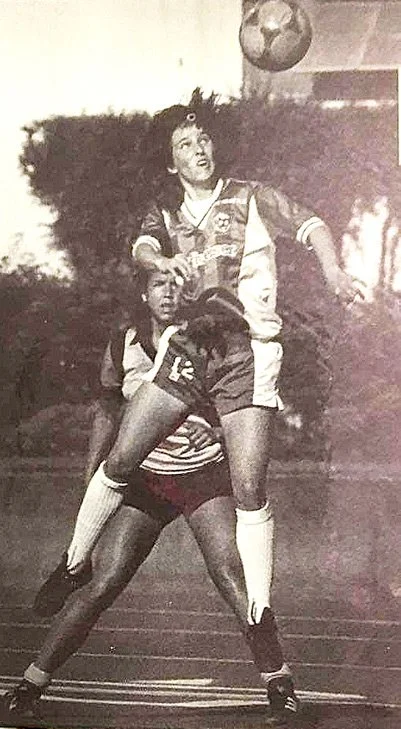
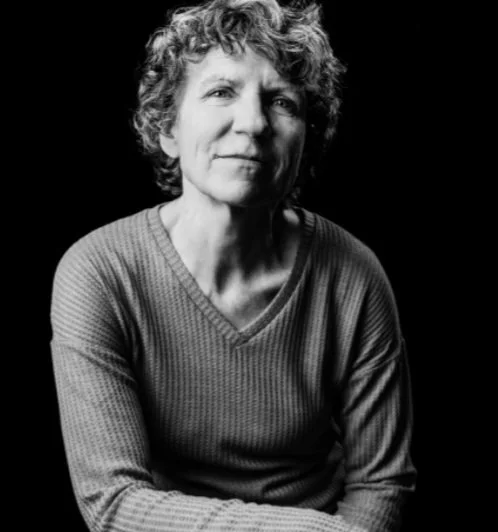
Pam Baughman Cornell is one of the pioneering athletes who helped establish the United States Women's National Team and played a significant role in the early growth of women's soccer in America.
A native of Fairfax, Virginia, Pam was among the select group of players chosen to represent the United States on the inaugural U.S. Women's National Team in 1985. As one of the legendary "85ers," she traveled to Italy for the historic Mundialito Tournament, where the United States Women's National Team played the first international matches in program history. Her participation helped launch a program that would eventually become the most successful women's soccer team in the world.
Before making history with the national team, Pam established herself as one of the most accomplished collegiate players of her era. She starred at both the University of Central Florida and George Mason University, earning multiple All-American honors and national recognition as one of the top players in the country. Her remarkable collegiate career culminated in 1985 when she helped lead George Mason University to the NCAA National Championship, ending North Carolina's dominance and securing the first national title in program history. Pam was named the tournament's Most Outstanding Player after scoring a goal and recording an assist in the championship match.
Widely respected for her competitiveness, leadership, and goal-scoring ability, Pam earned four appearances with the U.S. Women's National Team and scored an international goal during her national team career.
Her contributions to the game have been recognized through numerous honors, including induction into the Virginia-DC Soccer Hall of Fame. Throughout her career, she has continued to give back to the sport through coaching, mentoring, and youth development, helping inspire future generations of players.
As one of the original members of the U.S. Women's National Team, Pam represents a generation of trailblazers who competed long before professional opportunities and international recognition existed for women. The sacrifices, determination, and vision of the 1985 team helped create the pathway for future World Cup champions, Olympic gold medalists, and millions of girls who would follow in their footsteps.
Today, Pam continues to share the story of the 1985 team while inspiring players of all ages through her experiences, leadership, and passion for the game. Her legacy serves as a reminder that every great movement begins with a group of courageous individuals willing to take the first step.
Lori Bylin Sweeney

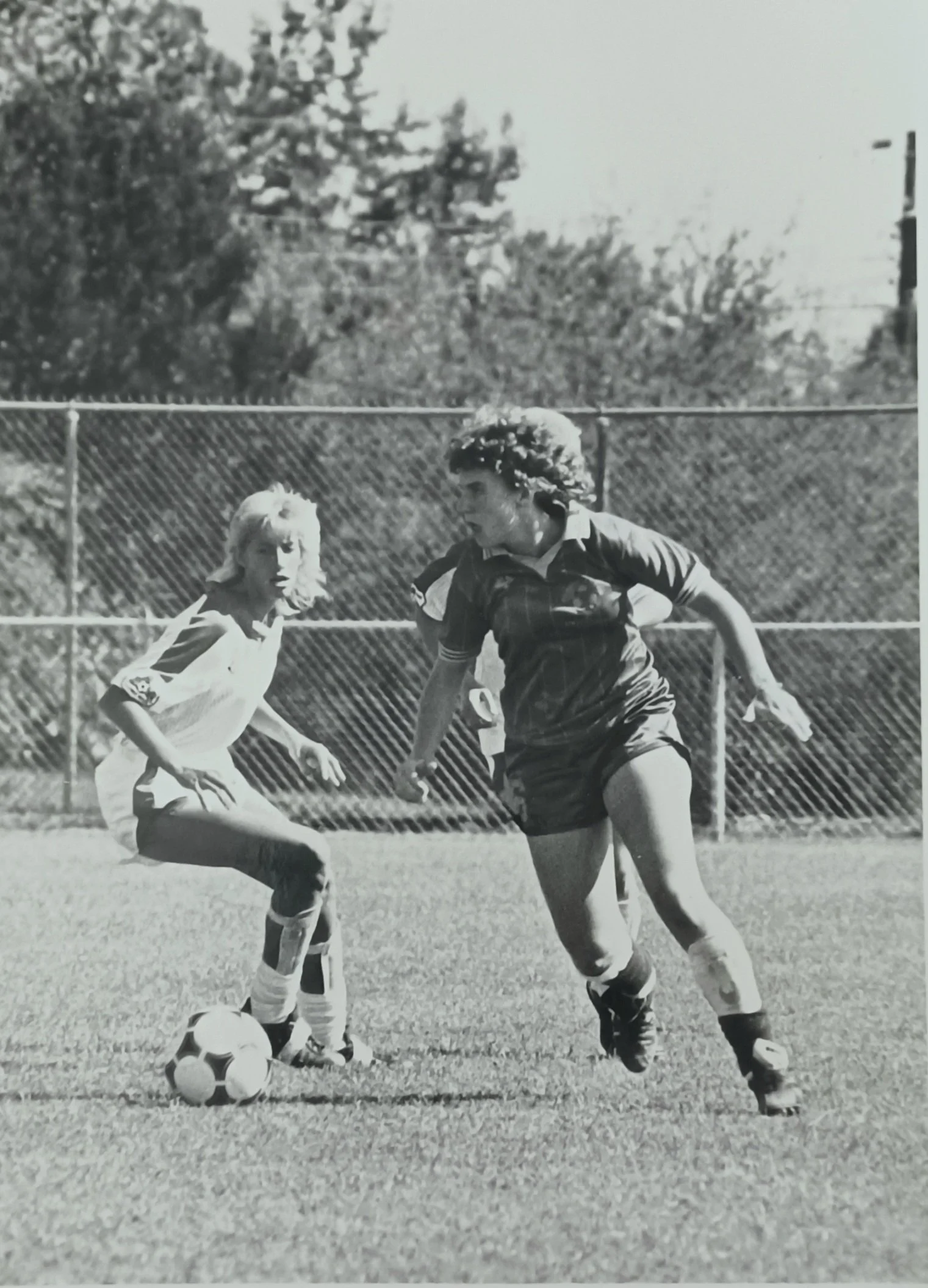
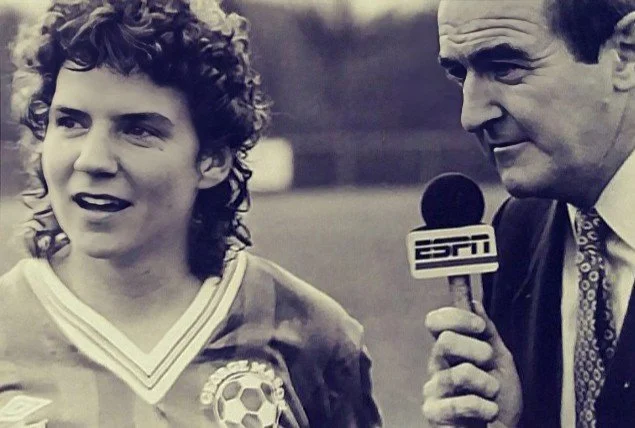
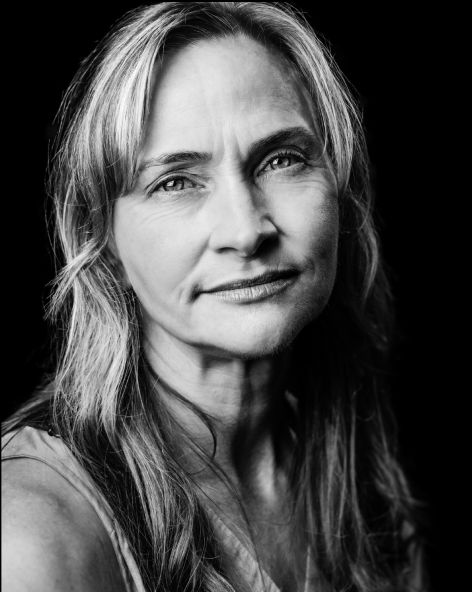
Lori Bylin Sweeney is one of the pioneering athletes who helped launch the United States Women's National Team and lay the foundation for what would become the most successful women's soccer program in the world.
A talented midfielder from Washington State, Lori earned her place on the inaugural U.S. Women's National Team roster in 1985 after standout performances with the Tacoma Cozars and at the collegiate level for Green River College and the University of Puget Sound. She was selected to represent the United States at the historic Mundialito Tournament in Jesolo, Italy, where the U.S. Women played the first international matches in program history. Lori appeared in all four matches for the inaugural squad, becoming one of only seventeen women who can claim the title of original USWNT player.
As a member of the legendary "85ers," Lori helped blaze a trail for generations of female athletes at a time when opportunities for women in soccer were limited. The team's courage, determination, and love of the game created a foundation that ultimately led to World Cup championships, Olympic gold medals, and worldwide recognition for women's soccer.
Growing up, Lori developed her passion for soccer while competing alongside her brothers and neighborhood friends. Her relentless work ethic and love for the sport quickly became evident. Reflecting on her playing days, she recalls giving everything she had every time she stepped on the field, running end-to-end and competing with passion and purpose. For Lori, soccer has always been about more than the game itself—it has been a vehicle for connection, friendship, and bringing people together across cultures and communities.
Today, Lori remains a respected ambassador for the sport and an advocate for the values that make soccer so powerful. She often shares her experiences as one of the original members of the U.S. Women's National Team, inspiring players of all ages with stories of perseverance, teamwork, leadership, and the remarkable growth of women's soccer over the past four decades.
As part of the Legendary Women's Cup, Lori continues to celebrate the legacy of the 1985 team while helping inspire the next generation of women who love the beautiful game.